
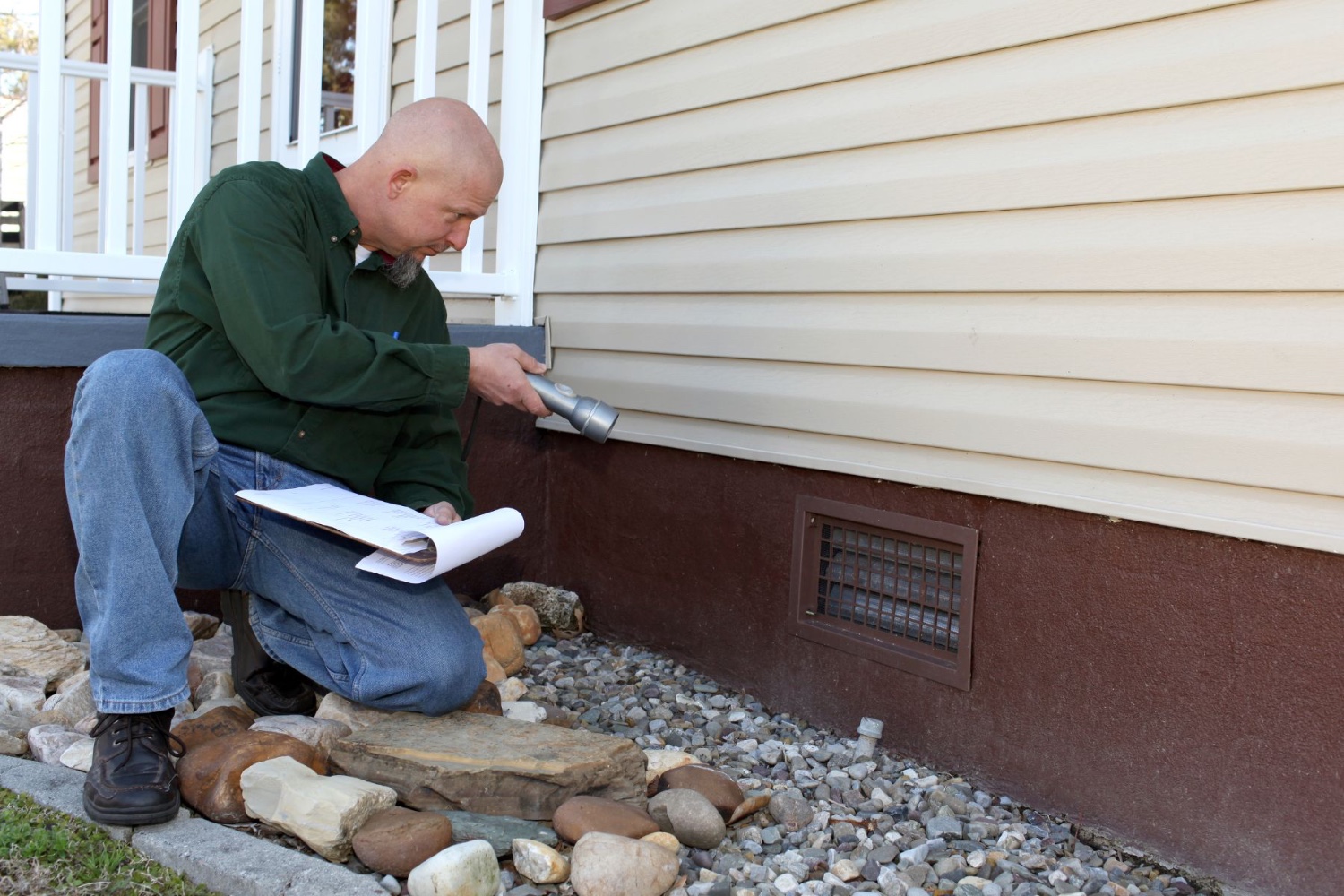
A standard home inspection in Hendricks County and West Indianapolis typically runs $350–$425 for a single-family home, based on a 2026 statewide guide. Add-on inspections for radon, sewer, and termites cost extra and are paid before closing, not at the settlement table.
Thank you for reading this post, don’t forget to subscribe!
How much does a home inspection cost in Hendricks County and West Indianapolis?
A standard home inspection in Hendricks County and West Indianapolis typically costs between $350 and $425 for a single-family home, based on a 2026 Indiana inspection-cost guide from Houzeo. That range covers the base visual inspection of the home’s major systems and structure. Add-on services, radon testing, a sewer scope, or a termite/WDI inspection, each carry separate fees and are typically paid when you schedule the service, not at the closing table.
Key Takeaways
- A standard single-family home inspection in Indiana runs roughly $350–$425, according to a 2026 statewide guide, your actual quote depends on square footage, crawlspace or attic access, and any detached structures.
- Radon, sewer scope, and termite inspections are separate line items; budget for each one you want before you schedule.
- Inspection fees are paid directly to the inspector when the service is ordered, they do not appear on your closing statement from the title company.
- Radon levels above 4 pCi/L trigger EPA action guidelines, and Indiana has measurable radon risk in many counties, testing is worth the cost here.
- The median sale price across Hendricks County and the surrounding area ranges from $287,000 in Mooresville to $361,500 in Avon, so inspection costs represent a small but non-negotiable line in your total cash-to-close picture.
What does a home inspection actually cover, and what does it cost here?
The base inspection is a visual assessment of the home’s major systems: roof, foundation, HVAC, plumbing, electrical, windows, and more. The inspector walks the home, documents what they find, and delivers a written report, usually within 24 hours.
In Hendricks County and West Indianapolis, the price you pay depends on a few things beyond just the list price of the home:
- Square footage. A 1,400-square-foot townhome and a 3,200-square-foot two-story are not the same job. Most inspectors price by size.
- Crawlspace or attic access. If your home has a crawlspace, common in older Plainfield and Mooresville neighborhoods, expect the inspector to factor that in. Tight or wet crawlspaces take more time.
- Detached structures. A detached garage, workshop, or outbuilding is often quoted separately. Ask upfront.
- Age of the home. Older homes sometimes require more time to document older systems, especially if original electrical panels or cast-iron drain lines are present.
- Report turnaround. In this market, most inspectors deliver the report by 6pm the same day or the following morning, no premium required. What matters more is your contract timeline: Indiana purchase agreements typically give buyers 10–15 days to complete an inspection, starting the day after acceptance and counting weekends and holidays. As long as you contact an inspector early in that window, you can usually get scheduled without needing an extension. If the inspection and your written response to the seller are not completed within that timeframe, you forfeit your right to an inspection, so don’t wait.
I walk every buyer I work with through what to ask when they’re getting quotes, because the lowest number on the page isn’t always the lowest total cost once you add the services you actually need.
What about townhomes, are they cheaper to inspect?
Not automatically. The inspection company’s scope, the home’s square footage, age, and whether there’s a crawlspace or attic to access all drive the price more than the property type on the deed. A large townhome with a finished basement and a crawlspace access point could cost the same as a similarly sized single-family home. Get an itemized quote that spells out exactly what’s included, don’t assume a townhome discount.
Which add-on inspections make sense in Hendricks County and West Indianapolis?
The base inspection tells you a lot, but it doesn’t test everything. Here are the add-ons I talk through with buyers in this market and when they’re worth the extra cost.
Radon testing
Indiana has measurable radon risk, and the EPA recommends mitigation when levels reach 4 pCi/L or higher. Radon is a colorless, odorless gas that enters through foundation cracks and is the second leading cause of lung cancer in the U.S. You cannot see it or smell it, testing is the only way to know. I recommend it on nearly every transaction here. A radon test is typically added to the base inspection order and paid at the same time. If the result comes back elevated, mitigation systems are installable and negotiable, but you need the test first.
Sewer scope
A sewer scope runs a camera through the lateral sewer line from the home to the municipal connection. It’s especially worth ordering on homes built before the mid-1980s, where cast-iron or clay pipes are more common and root intrusion or line collapse is a real possibility. In older homes, I see this come up more often than buyers expect. I had a client purchasing an older renovated home who ordered a sewer scope and found the main line was significantly damaged by tree roots. The seller replaced the main line as part of the inspection resolution, a repair that would have landed entirely on my buyer after closing without that test. A sewer scope is not part of a standard inspection, it’s a separate service, typically performed by a plumber or a specialty inspection company. Budget for it separately and order it at the same time as your base inspection so you have results before your response deadline.
Termite and WDI inspection
A Wood-Destroying Insect (WDI) report checks for termites, carpenter ants, and other insects that damage structural wood. Some loan types require it, FHA and VA loans often require a WDI inspection when there’s visible evidence of infestation or when the lender requests it. Even when it’s not required, it’s a low-cost line item that gives you peace of mind, particularly on homes with wood-framing near grade or older crawlspaces.
Well and septic inspection
If the home has a private well or septic system, add these to your inspection order. A basic water test checks for bacteria, nitrates, and other contaminants. For FHA and VA loans, a water test is required when the home has a private well. A basic septic inspection uses dye testing to check for leaching and, if the lid is accessible, a visual check of fluid levels inside the tank. For a more thorough evaluation, a septic company can pump and inspect the tank, which gives you a clearer picture of the system’s condition and remaining life. Septic repairs are among the more expensive surprises a buyer can face after closing, the inspection cost is small by comparison.
How inspection costs fit into your total cash needed before closing
This is the part buyers sometimes miss: inspection fees are paid before closing, directly to the inspector, not through the title company at settlement. They won’t appear as a line on your closing disclosure from the title company, they come out of your pocket when you book the service.
That means your upfront cash picture looks something like this, before you even get to the closing table:
- Earnest money deposit (held by the title company per your contract)
- Base home inspection fee
- Any add-on inspections you select (radon, sewer scope, WDI, mold)
- Appraisal fee, if your lender collects it upfront
Then at closing, you’ll have title-company charges, prepaid items like homeowner’s insurance and property tax escrow, and your down payment. A Sales Disclosure Form is filed with the county at closing, that’s a process step, not a fee that changes your inspection budget.
For a full picture of the cash you’ll need from offer through closing, the post on how much cash you need to buy a house in Hendricks County walks through every category. Your specific numbers depend on your loan type, contract terms, and the home, that’s exactly the conversation I have with buyers before they go under contract.
To put inspection costs in context, here’s where prices stand across the communities I work in most, based on recent local market data (trailing ~90 days, October 2026):
| Area | Median Sale Price | Median Days on Market |
|---|---|---|
| Plainfield | $336,000 | 47 |
| Avon | $361,500 | 39 |
| Brownsburg | $345,000 | 45 |
| Danville | $324,500 | 34 |
| Mooresville | $287,000 | 38 |
At a median sale price of $336,000 in Plainfield or $361,500 in Avon, a $400 inspection plus add-ons is a small fraction of the transaction, but it’s still real cash you need in hand before your contract deadlines hit. Plan for it before you make an offer, not after.
If you’re also thinking about the seller’s side of the equation, the post on the cost to sell a house in Hendricks County covers what sellers typically see at the closing table.
If you want to know what your specific cash-to-close picture looks like for a home you’re considering in West Indianapolis or Hendricks County, that’s a conversation worth having before you’re under contract. Reach out here and I’ll walk you through it.
You can also read what past clients have said about working with me on Google, Zillow, or Realtor.com.
FAQ
How much does a home inspection cost in Plainfield, Indiana?
Expect to pay roughly $350–$425 for a standard single-family home inspection in Plainfield, consistent with the 2026 Indiana statewide range. Your actual quote depends on the home’s square footage, whether it has a crawlspace, and which add-on services you select. Get an itemized quote before you book.
Is radon testing worth paying for in Hendricks County?
Yes, Indiana has documented radon risk, and the EPA recommends mitigation when levels hit 4 pCi/L or above. Radon is undetectable without a test, and mitigation systems are a manageable cost if levels come back elevated. I recommend testing on nearly every transaction I handle in this area.
Do I need a sewer scope for an older home in West Indianapolis?
A sewer scope is strongly worth considering on homes built before the mid-1980s, where older pipe materials and root intrusion are more common. It’s a separate service from the base inspection and typically ordered at the same time. The cost is modest compared to what a failed lateral line costs to repair after closing.
Who pays for the home inspection in an Indiana purchase?
The buyer pays for the home inspection in a standard Indiana transaction, it’s your due-diligence cost, and it’s paid directly to the inspector when you book, not through the title company at closing. It is not automatically reimbursed by the seller, though inspection findings can open a negotiation for repairs or a closing credit.
Can I negotiate repairs or a closing credit after the inspection?
Yes, and it happens regularly. Once your inspection report is in hand, you can request that the seller make specific repairs, provide a credit at closing, or reduce the price. How much leverage you have depends on the market, the severity of the findings, and how the contract is written, that’s where having a local agent in your corner matters.
What other cash do I need before closing besides the inspection fee?
Beyond the inspection and any add-ons, plan for your earnest money deposit, the appraisal fee (if your lender collects it upfront), and then the full closing costs and down payment due at settlement through the title company. Indiana has no state or county real estate transfer tax, but you’ll have title insurance, prepaid items, and lender fees to account for. The full breakdown varies by loan type and contract, it’s worth mapping out before you make an offer.
This post is general information only and is not legal, tax, or financial advice. Confirm your specific numbers with your title company, tax advisor, or lender. René Hauck, Broker with RE/MAX Advanced Realty, licensed in Indiana since 2014, regulated by the Indiana Real Estate Commission. Equal Housing Opportunity.
- About the Author
- Latest Posts
- Free Guides

Selling or buying a home can feel overwhelming. I guide you through each step so you always know what’s next, and you’ll have peace of mind knowing you chose the right agent to navigate it.
René Hauck is a REALTOR® with RE/MAX Advanced Realty in Plainfield, Indiana, holding the Seniors Real Estate Specialist® (SRES®) designation and Pricing Strategy Advisor (PSA) certification. With 240+ closings and $51M+ in volume across Hendricks County and West Indianapolis, she specializes in downsizing, life-transition moves, and helping sellers navigate the market with confidence. Read her client reviews on Google, Zillow, and Realtor.com or reach her at rene@indyhomepros.com.
Curious what your home is worth? What’s my home worth? · Call or text (317) 987-7068.
