
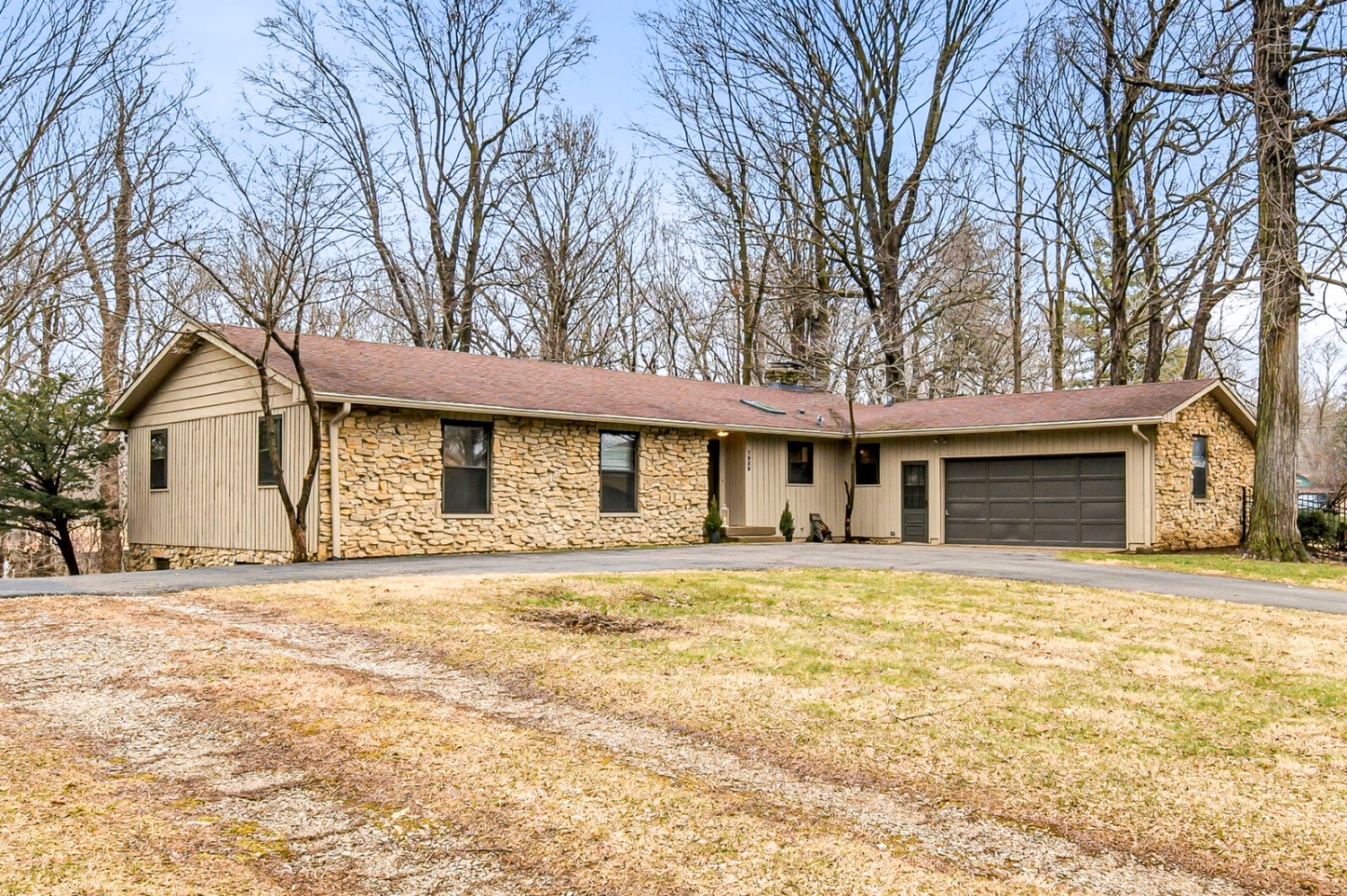
Coordinating a home sale and purchase in Plainfield means sequencing your list date, offer strategy, and closing dates so you’re never caught without a roof or a contract. The right tools, contingent offers, post-closing possession agreements, and same-day closings, make it manageable when you plan 60 to 90 days ahead.
Thank you for reading this post, don’t forget to subscribe!
How do you coordinate selling and buying a home in Plainfield without ending up homeless or holding two mortgages?
The short answer: you sequence everything deliberately, use Indiana’s contract tools to bridge any timing gap, and build a fallback plan before you need it. Most Plainfield homeowners who run into trouble didn’t plan badly, they planned too loosely, assuming the timing would work itself out. With recent local market data showing a median of 46 days on market and 142 active listings in Plainfield, you have real numbers to plan around, not just hope.
Key Takeaways
Recent local market data shows Plainfield’s median sale price at $340,500 and median days on market at 46, use those figures as your baseline when building a timeline, not a national average.
Indiana’s standard purchase agreement includes a possession clause that lets you negotiate post-closing occupancy, giving you a short window to move into your next home after your sale closes.
A separate Indiana Association of REALTORS® post-closing possession agreement formalizes that arrangement as a short-term tenancy with defined rent, a move-out date, and clear responsibilities for both sides.
Plainfield carried roughly 2.6 months of inventory in late July 2026, a seller-tilted but not extreme market where contingent offers are still considered on well-priced homes.
Same-day back-to-back closings, sell in the morning, buy in the afternoon, are the most common coordination strategy locally, and they work when both title companies and lenders are looped in early.
What does the Plainfield market actually look like for someone trying to time this?
Before you map out a strategy, you need an honest read on what the market is doing. Here’s where Plainfield and the surrounding Hendricks County communities stand based on recent local market data (trailing approximately 90 days, as of September 2026).
Area Median Sale Price Median Days on Market Plainfield $340,500 46 Avon $360,000 25 Brownsburg $361,000 58 Danville $339,875 53 Mooresville $310,000 22
A few things worth noting here. Avon is moving faster than Plainfield right now, 25 days versus 46. If you’re selling in Plainfield and buying in Avon, your purchase market is more competitive than your sale market, which affects how you structure contingencies. Brownsburg is slower at 58 days, which gives you more room to negotiate on the buy side. These differences matter when you’re trying to line up two closings.
Earlier in 2026, Hendricks County was moving significantly faster. Indiana Association of REALTORS® data summarized for March 2026 showed a county-level median of just 14 days on market, with homes selling at 96% of list price. By August 2026, that had stretched to 21 days countywide. The market hasn’t stopped, it’s just normalized. For coordination purposes, that’s actually helpful: you have more time to plan than you would have in a spring frenzy, but you still can’t afford to be passive.
How do you actually sequence a sale and purchase in Plainfield?
There’s no single right order, but there is a logical sequence that reduces your exposure. Here’s how I walk my clients through it.
Step 1: Get a real market analysis on your current home before you do anything else
Not an online estimate. A real analysis built from closed sales in your subdivision. The gap between what an automated tool says and what your home will actually sell for in Plainfield can be $20,000 or more depending on your street, your finishes, and what’s closed nearby in the last 90 days. Your net proceeds from the sale are the foundation of your purchase budget, so this number has to be right before you start shopping.
Step 2: Get fully pre-approved for your next purchase
Pre-approval, not pre-qualification. You need a lender who has reviewed your income, assets, and credit and issued a written commitment. More importantly, you need to understand whether you qualify for your next mortgage while still carrying your current one, because there’s a window in every back-to-back transaction where you technically own both properties. Some buyers handle this with a bridge loan or HELOC to access equity for the down payment before the sale closes. Others qualify for both payments simultaneously. Verify this with your lender before you make a single offer. The CFPB’s homebuying resources have a plain-language breakdown of how lenders evaluate this.
Step 3: Decide your sequencing strategy
You have three realistic options in this market, and each one has a different risk profile.
Option A: Sell first, then buy. You know exactly what you have to spend. The risk is that you may need temporary housing between closings, a short-term rental, staying with family, or negotiating a post-closing possession agreement on your sale (more on that below). This is the lowest financial risk and the highest logistical stress.
Option B: Buy first, then sell. You find your next home without a contingency, which makes your offer stronger. The risk is carrying two mortgages if your sale takes longer than expected. This works best when your equity is strong and your lender confirms you can qualify for both payments.
Option C: Contingent offer with a simultaneous close. You make an offer on your next home contingent on the sale of your current one, then coordinate both closings to happen on the same day or within 24 to 48 hours. This is the most common strategy I see in Plainfield. It works, but it requires both transactions to stay on track, and it needs a fallback plan if one side slips.
Step 4: Understand Indiana’s contract tools for bridging the gap
Indiana’s standard purchase agreement includes a possession clause that specifies exactly when the buyer receives the keys, either at closing or a defined number of days after closing, with a daily charge if the seller stays past the agreed date. This is your primary tool for buying yourself a few extra days after your sale closes to move into the new place.
For anything longer than a day or two, the Indiana Association of REALTORS® has a separate post-closing possession agreement that formalizes the arrangement as a short-term tenancy. It spells out the rent amount, the move-out date, maintenance responsibilities, insurance expectations, and what happens if the seller doesn’t leave on time. I’ve used this with clients on both sides of the transaction. When it’s drafted clearly and both parties understand it going in, it’s a clean solution. The seller closes, gets their proceeds, and has a defined window to finish moving. The buyer gets the property on a known date with legal remedies if that date isn’t honored.
Early occupancy, where the buyer moves in before closing, is also technically possible but carries more risk for both parties. It’s not something I recommend unless financing and inspection are already fully resolved and there’s no cleaner option.
Step 5: Coordinate your title companies and lenders early
Back-to-back same-day closings are common in this market. The sale closes in the morning, the proceeds wire to the title company handling your purchase, and the purchase closes in the afternoon. It works, but only when your title company on the sale side and your title company on the purchase side are both aware of the plan from the beginning, and your lender knows the purchase funding is dependent on the morning wire. Loop everyone in at contract, not the week before closing. The American Land Title Association has a consumer overview of how title and settlement works if you want to understand the mechanics.
Step 6: Build a fallback plan
Even well-coordinated transactions can slip. An appraisal comes in low. An inspection issue takes an extra week to negotiate. The buyer on your sale asks for a closing extension. Any one of those can knock a same-day close off the rails. Before you go under contract on either side, know your answer to: “What do we do if the dates don’t line up?” A month-to-month rental, a family option, or a negotiated post-closing stay on your current home are all real answers. Not having one is how people end up making panicked decisions at the worst possible moment.
If you want a deeper look at how the timing mechanics work across different scenarios in Hendricks County, I put together a full breakdown at Timing Your Sale and Purchase in Hendricks County and a companion piece specifically on buying and selling at the same time in Indiana.
The specific numbers, what your home will net, what you can afford on the other side, and whether a contingent offer makes sense given current inventory in the neighborhood you’re targeting, those are the questions I work through with every client before we list or make an offer. If you’re thinking about making this move, the best first step is a conversation, not a Zestimate.
Read what past clients have said about working through this process on Google, Zillow, and Realtor.com.
Frequently Asked Questions
How do I buy a new home in Plainfield if I need to sell my current house first?
The most practical path is to list your current home, get it under contract, and then make an offer on your next home contingent on your sale closing, coordinating both closing dates to happen the same day or within a day of each other. In Plainfield’s current market, with a median of 46 days on market, you have a reasonable window to find your next home once your sale is under contract. The key is getting fully pre-approved before you list so you know exactly what you can spend on the other side.
Is it better to sell my house before I start making offers on a new one in Hendricks County?
Selling first gives you a firm number to work with and eliminates the financial risk of carrying two mortgages, but it can leave you scrambling for housing if your purchase takes longer than expected. In a market where Avon’s median days on market is 25 days and competition for move-in-ready homes is real, going in with a contingent offer is sometimes less competitive than going in clean. Your best answer depends on your equity position, your lender’s guidance on qualifying for both payments, and how much flexibility you have on temporary housing.
Can I make an offer on a Plainfield home contingent on selling my existing home, and how does that work in Indiana?
Yes, sale-of-home contingencies are a recognized part of Indiana purchase agreements. The contingency specifies that your offer is subject to your current home closing by a defined date, and the seller typically retains the right to continue marketing and accept another offer if yours doesn’t remove the contingency in time. In a market with 2.6 months of inventory like Plainfield’s recent reading, sellers are more open to these than they would be in a multiple-offer frenzy, especially if your home is already listed and under contract.
What is a post-closing possession agreement in Indiana and is it safe to let the seller stay after closing?
A post-closing possession agreement is a separate document, available through the Indiana Association of REALTORS®, that creates a short-term landlord-tenant relationship after the sale closes. The seller pays a defined daily rate, has a firm move-out date, and the agreement spells out maintenance responsibilities, insurance expectations, and remedies if they don’t vacate on time. It’s a legitimate coordination tool when used for a short, defined window, typically a few days to a couple of weeks, with clear terms on both sides.
How do bridge loans or HELOCs help Plainfield homeowners buy before they sell?
A bridge loan or home equity line of credit lets you tap your existing equity to fund the down payment on your next home before your current sale closes, so you can make a non-contingent offer and avoid the timing pressure of a contingent deal. With Plainfield median prices in the mid-$300,000s and several years of equity gains in most subdivisions, many homeowners have enough equity to make this work. Verify the terms and qualification requirements with your lender, the CFPB’s HELOC explainer is a solid starting point for understanding how these products work before you talk to a lender.
How do I line up closing dates so I don’t end up without a home between selling and buying in Plainfield?
The most reliable method is a same-day back-to-back closing: your sale closes in the morning, the proceeds wire to the title company handling your purchase, and your purchase closes that afternoon. This requires both title companies and your lender to be coordinated from the moment you go under contract, not the week before closing. As a backup, negotiate a post-closing possession agreement on your sale so you have a defined number of days after closing to finish moving into the new place, even if the purchase closing runs a day or two behind.
Ready to map out your own timeline? Request a free home valuation and we’ll work through both sides of your move together.
Equal Housing Opportunity. René Hauck is a Broker with RE/MAX Advanced Realty, licensed in Indiana since 2014, regulated by the Indiana Real Estate Commission. This article is general information only and is not legal, tax, or financial advice. Confirm your specific costs, timelines, and contract terms with your title company, tax advisor, or lender.
- About the Author
- Latest Posts
- Free Guides

Selling or buying a home can feel overwhelming. I guide you through each step so you always know what’s next, and you’ll have peace of mind knowing you chose the right agent to navigate it.
René Hauck is a REALTOR® with RE/MAX Advanced Realty in Plainfield, Indiana, holding the Seniors Real Estate Specialist® (SRES®) designation and Pricing Strategy Advisor (PSA) certification. With 240+ closings and $51M+ in volume across Hendricks County and West Indianapolis, she specializes in downsizing, life-transition moves, and helping sellers navigate the market with confidence. Read her client reviews on Google, Zillow, and Realtor.com or reach her at rene@indyhomepros.com.
Curious what your home is worth? What’s my home worth? · Call or text (317) 987-7068.
