
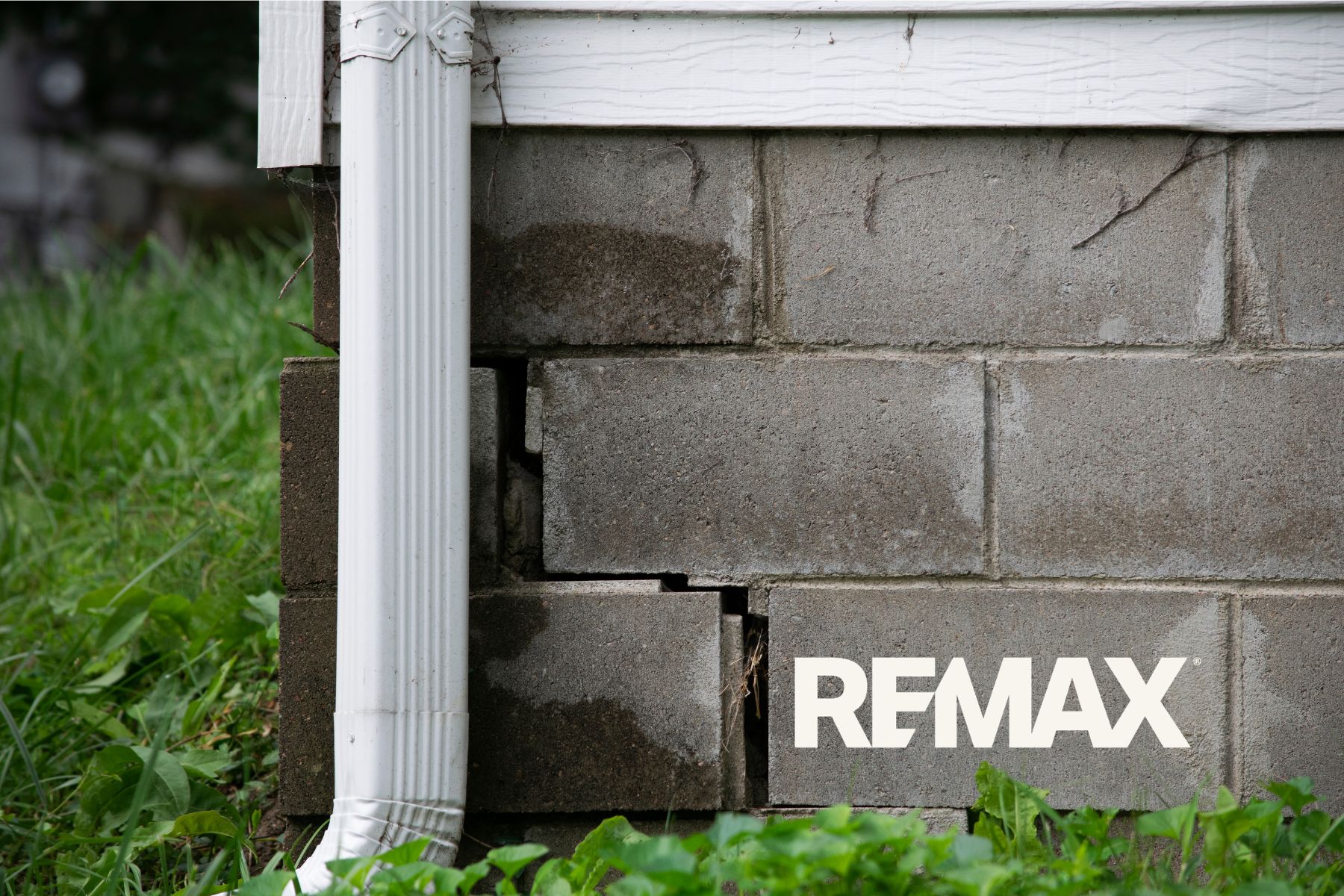
Can you sell a house with foundation problems in Indiana?
Yes, you can sell a house with foundation problems in Indiana, but you have to disclose what you know on the state’s Form 46234, and you’ll generally pick one of three paths: repair before you list, disclose and price for the issue, or sell as-is to a cash buyer. Foundation repairs run anywhere from about $250 for minor cracks to $25,000 or more for serious settling, and unrepaired structural problems typically pull a home’s price down 10 to 20 percent. Financing is the part most sellers miss: FHA and VA loans require a sound foundation, so a real structural issue can shrink your buyer pool until it’s fixed.
By René Hauck, REALTOR® | June 27, 2026
If your home has a crack creeping up the foundation wall, a door that suddenly won’t latch, or a basement wall that’s started to bow, you’re probably wondering whether you can even sell it. You can. I’ve helped Hendricks County sellers move homes with everything from hairline settling cracks to real structural work, and there’s a clear path through it. The trick is knowing what you’re required to disclose, what the fix is likely to cost, and which of your three selling options fits your home, your timeline, and your wallet.
First, what counts as a foundation problem in Indiana homes
There’s a reason foundation issues show up so often around here. Central Indiana, Hendricks County included, sits on clay-heavy soil. Clay swells when it’s wet and shrinks when it dries out, and our area takes on roughly 40 inches of rain and 20 inches of snow a year. That constant push and pull leaves gaps under the footing, and over time it causes cracks, shifts, and settling. Even a well-built home can move if the water around it isn’t draining the way it should.
Here are the signs buyers and inspectors look for:
- Stair-step cracks in brick or block, or horizontal cracks in a basement wall
- Doors and windows that stick, won’t latch, or have gaps at the corners
- Floors that slope, bounce, or feel uneven
- A basement or crawl space wall that’s bowing inward
- Cracks wider than about a quarter inch, especially ones that keep growing
Not every crack is a structural problem. Thin vertical cracks in a poured wall are common and often cosmetic. The only way to know which kind you have is a licensed structural engineer, and at roughly $300 to $1,000 that report is the single most useful thing you can put in your hands before you sell. It tells you what’s actually wrong, what it’ll take to fix, and gives serious buyers something credible to trust.
What you have to disclose when selling a house with foundation problems
Indiana sellers fill out the Seller’s Residential Real Estate Sales Disclosure, also called Form 46234, and hand it to buyers before an offer is accepted. It runs on an actual-knowledge standard, which means you disclose what you know. If you’re aware of a foundation or structural issue, it goes on the form. There’s no way around that, and you wouldn’t want one.
Two things sellers get wrong here, so let me be direct about both. First, selling “as-is” does not waive disclosure. As-is means you’re not making repairs, not that you can stay quiet about what you know. Second, hiding a known problem is exactly where sellers land in real trouble, the kind that brings lawsuits, damages, and in some cases a sale that gets unwound after closing. Disclose it, document it, and you take that risk off the table. Honesty here isn’t only the rule, it’s the move that protects you.
Your three options for selling a house with foundation problems
Once you know what you’re dealing with, you’ve got three honest paths. None of them is automatically right; it depends on your numbers and your timeline.
- Repair before you list. Foundation work ranges from about $250 for minor crack sealing to $25,000 or more for major settling. Around Indianapolis, a typical repair lands somewhere in the $3,700 to $4,900 range, with permits averaging about $1,650 on bigger jobs. Get written estimates from licensed Indiana contractors, and if the repair comes with a transferable warranty, keep that paperwork because it’s gold to a buyer. Fixing it first opens you back up to the full buyer pool, FHA and VA buyers included.
- Disclose and price for it. Get the engineer’s report and a couple of repair bids, then set your price to reflect the work a buyer will be taking on. Hand serious buyers the documentation so the unknown stops scaring them. Keep in mind that homes with unaddressed structural issues commonly sell for 10 to 20 percent under market, so weigh that discount against what the repair would have cost you. Sometimes fixing it is cheaper than the haircut. My guide to pricing a home that needs work walks through how to set that number.
- Sell as-is to a cash buyer. This is the fast lane: no repairs, no financing to fall through, often a quick close. The trade-off is real money. The “we buy houses” companies run on the 70 percent rule, paying no more than 70 percent of a home’s after-repair value minus the repairs, so expect an offer well below market. It’s the right call for some sellers and an expensive one for most. I break down when it fits in my guide to selling a home as-is in Hendricks County.
Deciding between fixing it and pricing for it comes down to three things: your numbers, your timeline, and what kind of financing your likely buyer will use. That last one trips people up more than anything else. If you’d like help running that math on your specific home, let’s talk it through together before you commit to a path.
How foundation issues affect your buyer pool and price
The quiet dealbreaker isn’t the crack itself, it’s the loan. FHA and VA appraisers require a foundation that’s structurally sound and serviceable for the life of the loan. When an appraiser flags a real structural problem, those repairs have to be done before the loan can close, and that responsibility often lands right back on the seller. Until the issue is fixed, you’re mostly looking at conventional buyers with some flexibility or buyers paying cash.
That’s the whole case for repairing it first. A fixed foundation with an engineer’s report and a transferable warranty often nets you more than the repair cost, because you keep the FHA and VA buyers in the running and you strip away the fear discount that makes buyers lowball a structural unknown.
The market you’re selling into matters too. In a stronger market, buyers will stretch and overlook more; in a slower one, condition problems get punished harder. For a read on where Hendricks County stands right now, check the latest Hendricks County market stats before you decide how to play it.
None of this means your home is unsellable. It means you’ve got a decision to make with real dollars on both sides, and the right answer depends on your situation. Selling a home that needs structural work feels heavier than a normal sale, especially if it’s a place you’ve lived in for years. It’s manageable, and you don’t have to figure out the path alone.
If you’re staring at a foundation problem and trying to decide whether to fix it or sell around it, I’ll give you a straight read on what it’s costing you and which option actually nets you the most. Reach out here or call or text me at 317-987-7068, and we’ll map it out together.
Want to know what past clients say about working with me? Read my reviews on Google, Zillow, and Realtor.com.
Frequently Asked Questions
Do I have to disclose foundation problems when selling a house in Indiana?
Yes. Indiana’s Seller’s Residential Real Estate Sales Disclosure (Form 46234) runs on an actual-knowledge standard, so any foundation or structural issue you know about has to be disclosed before you accept an offer. Selling as-is does not waive that, and hiding a known problem can lead to lawsuits or even a reversed sale. If you’re not sure what rises to the level of a disclosable defect, reach out and I’ll help you sort it out.
Can I sell a house with foundation problems as-is in Indiana?
Yes, you can sell as-is, but as-is only means you won’t make repairs. You still have to disclose what you know. Cash buyers and investors will take an as-is home quickly, though they typically offer well below market because they’re pricing in the repairs and their own profit.
How much do foundation repairs cost in Indiana?
It depends entirely on the problem. Minor crack repairs can run as little as $250, while major settling or structural work can reach $25,000 or more. Around Indianapolis, a typical repair falls in the $3,700 to $4,900 range, plus roughly $300 to $1,000 for a structural engineer’s report and about $1,650 in permits on larger jobs.
Will foundation problems fail an FHA or VA appraisal?
A serious one usually will. FHA and VA appraisers require the foundation to be structurally sound and serviceable for the life of the loan, so a flagged structural defect has to be repaired before closing, often at the seller’s expense. That’s why a real foundation issue narrows your buyer pool to conventional or cash buyers until it’s fixed. If you want to know which buyers your home can realistically attract right now, let’s talk through it.
How much do foundation problems lower a home’s value?
Homes with unrepaired structural issues commonly sell for 10 to 20 percent under what they’d bring in sound condition, though the exact hit depends on the severity and your local market. Often the repair costs less than that discount, which is why fixing it first can put more in your pocket. I can show you both numbers side by side for your home, so send me a message and we’ll run them together.
- About the Author
- Latest Posts
- Free Guides

René Hauck is a REALTOR® with RE/MAX Advanced Realty in Plainfield, Indiana, holding the Seniors Real Estate Specialist® (SRES®) designation and Pricing Strategy Advisor (PSA) certification. With 240+ closings and $51M+ in volume across Hendricks County and West Indianapolis, she specializes in downsizing, life-transition moves, and helping sellers navigate the market with confidence. Read her client reviews on Google, Zillow, and Realtor.com or reach her at rene@indyhomepros.com.
