
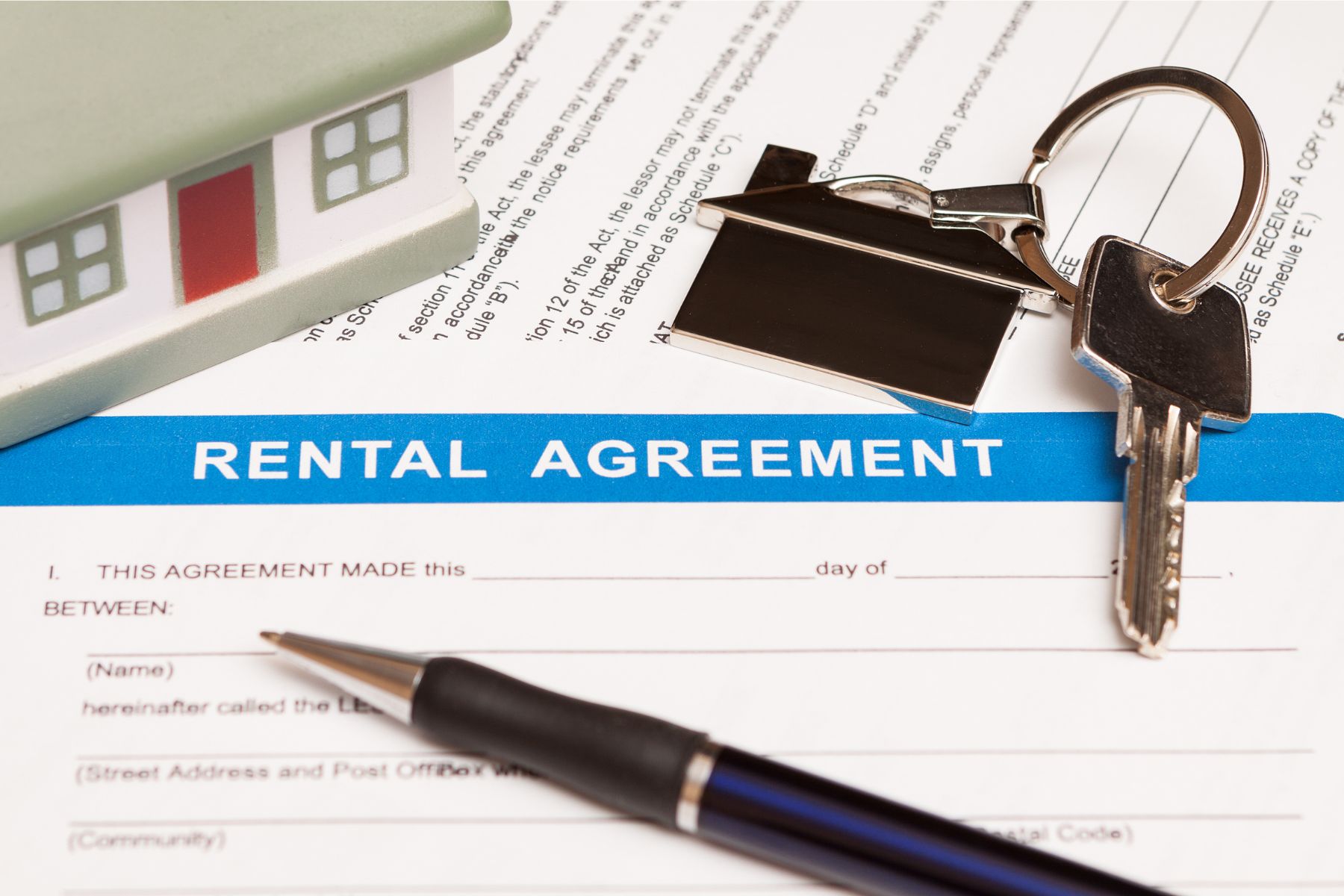
Can you stay in your home after selling it in Indiana?
Yes, a rent-back agreement in Indiana lets you stay in your home after closing by renting it back from the new owner for a short, agreed period. Most rent-backs run from a few days up to 60 days, because the buyer’s lender usually requires them to move into the home within 60 days on a primary-residence loan. The agreement spells out the rent, a security deposit, who carries insurance, and a firm move-out date.
By René Hauck, REALTOR® | June 19, 2026
You found a buyer, the offer is strong, and closing is on the calendar. There’s one problem: your next place isn’t ready yet. Maybe the new build in Avon is running behind, the patio home you want in Brownsburg hasn’t opened up, or you need a few weeks to pack up twenty years of life. So where do you actually live between closing day and move-in day?
This is one of the most common worries I hear from sellers in Plainfield and across Hendricks County, especially folks who are downsizing. The good news is there’s a tool built for exactly this moment, and it’s called a rent-back.
What a rent-back agreement in Indiana actually is
A rent-back agreement (you’ll also hear it called a leaseback or a post-closing occupancy agreement) lets you sell your home and then stay in it for a set time by renting it back from the people who bought it.
Here’s the part that surprises a lot of sellers: the moment you close, ownership transfers. The buyer becomes the legal owner, and on paper, your landlord. You become a short-term tenant in the home you used to own. You still collect your sale proceeds at closing like any other sale, and in exchange for staying, you pay the new owner rent for the extra days.
Indiana allows these arrangements, but they only protect you if they’re in writing. The terms lean on Indiana contract and landlord-tenant principles, so a handshake won’t cut it. Everything that matters needs to be spelled out in a signed document.
The 60-day rule that controls how long you can stay
This is the single biggest thing to understand, and most sellers have never heard of it.
When your buyer uses a normal mortgage for a primary residence, their lender requires them to move into the home within 60 days of closing. That rule comes from Fannie Mae, Freddie Mac, and FHA, and it covers the large majority of buyers. If you stay past that window, the lender can treat the house as an investment property instead, which changes the buyer’s loan terms.
What that means for you: most rent-backs top out around 60 days. A lot of agents, myself included, like to cap the agreement at 59 days to be safe, so the buyer can move in on day 60 and stay inside the rules. Some lenders are stricter and limit it to 30 days, and certain loan types carry their own overlays. If you think you’ll need more than a couple of months, that’s a different conversation, and we’d plan for it well before you accept an offer.
What goes into the agreement, and what it costs you
A good rent-back isn’t complicated, but it has to be complete. These are the pieces I make sure are nailed down for my sellers:
- Set the length. Pick a specific number of days with a firm move-out date, kept inside the lender’s 60-day window.
- Agree on the rent. Rent is often set to cover the buyer’s daily carrying cost (their mortgage, taxes, and insurance), sometimes charged as a daily “per diem.” On a home in the $350,000 range, that might land somewhere around $50 to $100 a day, depending on the buyer’s loan.
- Handle the deposit. Buyers usually hold back a security deposit at closing to cover any damage or the rare case where a seller doesn’t leave on time. You get it back after you move out and the home checks out.
- Sort out insurance. Once you close, the buyer carries the homeowner’s policy. You’ll want your own renter’s insurance for your belongings, since their policy won’t cover your things.
- Spell out repairs and condition. The agreement should say who handles maintenance during the rent-back and what condition you’ll leave the home in.
The numbers and terms shift with every deal, and the buyer has to agree to all of it. If you’re trying to figure out whether a rent-back fits your move, let’s talk through your specific situation before you list, so we can build it into your strategy from the start.
When does a rent-back make the most sense for Hendricks County downsizers? It shines when you need to sell first to free up your equity, but you can’t move into your next place the same day.
That describes a lot of my downsizing clients. You might be waiting on a new ranch or patio home to finish, holding out for the right unit in a 55+ community, or coordinating a move closer to family. Selling first means you know your exact budget and you’re making your next offer as a strong, non-contingent buyer. The rent-back gives you the breathing room to land softly.
It’s worth comparing against your other options too. Timing a sell-and-buy move without a rent-back is possible, and so is using a bridge loan to buy before you sell. Which path is best depends on your equity, your timeline, and how much certainty you want. In today’s more balanced market, where homes are still moving but buyers have a bit more room, sellers are negotiating short rent-backs more often than they were a couple of years ago. For where the local market stands right now, the Hendricks County market stats page stays current.
If selling has felt overwhelming because you’re not sure where you’d go next, you’re not alone, and it’s rarely as complicated as it feels at first. If you want a calmer starting point, here’s where to begin when you’re downsizing in Hendricks County.
A rent-back agreement in Indiana gives you a practical way to sell on today’s market without being pushed out the door before your next chapter is ready. The key is building it into your plan early, keeping it inside the lender’s timeline, and getting every term in writing.
Curious what your home is actually worth in today’s Hendricks County market, and whether a rent-back fits your timeline? I’m happy to put together a personalized home valuation and game plan, no pressure, no obligation. Reach out here or call/text 317-987-7068.
Want to know what past clients say about working with me? Read my reviews on Google, Zillow, and Realtor.com.
Frequently Asked Questions
Can you stay in your house after closing in Indiana?
Yes, if the buyer agrees and you both sign a rent-back agreement. After closing, the buyer owns the home and you rent it back from them for a set period, usually up to 60 days. Everything needs to be in writing to hold up under Indiana law.
How long can a rent-back last?
Most rent-backs run from a few days to 60 days. The limit exists because the buyer’s lender typically requires them to move into a primary residence within 60 days of closing, so many agents cap the agreement at 59 days to stay safely inside that rule. Need more than two months? Reach out and we’ll build the right timeline into your sale before you ever list.
How much does a rent-back cost the seller?
Rent is usually set to cover the buyer’s daily carrying cost, such as their mortgage, taxes, and insurance, often charged as a daily per diem. The buyer also typically holds a security deposit at closing in case of damage or a late move-out. Want to know what that would look like on your sale? Send me a message and we’ll estimate your real numbers together.
Who pays for insurance during a rent-back?
Once you close, the new owner carries the homeowner’s insurance policy on the house. You’ll want your own renter’s insurance to cover your personal belongings, because the owner’s policy won’t protect your things while you’re staying.
- About the Author
- Latest Posts
- Free Guides

René Hauck is a REALTOR® with RE/MAX Advanced Realty in Plainfield, Indiana, holding the Seniors Real Estate Specialist® (SRES®) designation and Pricing Strategy Advisor (PSA) certification. With 240+ closings and $51M+ in volume across Hendricks County and West Indianapolis, she specializes in downsizing, life-transition moves, and helping sellers navigate the market with confidence. Read her client reviews on Google, Zillow, and Realtor.com or reach her at rene@indyhomepros.com.
