
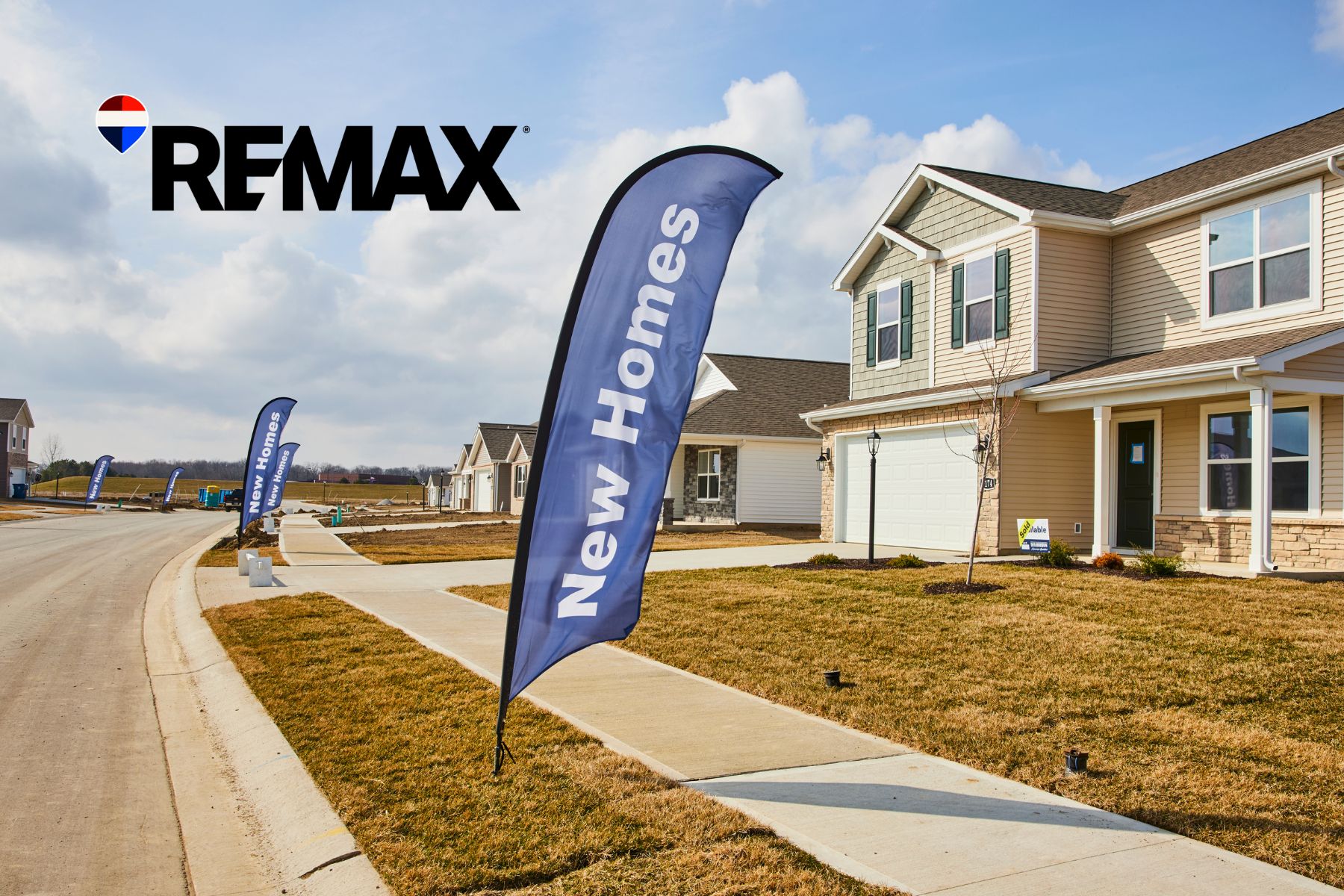
New Construction or Resale in Hendricks County: Which Should You Buy?
Choosing between new construction or resale in Hendricks County comes down to three things: your timeline, how much maintenance and personalization you want, and the actual homes and incentives sitting in front of you. In 2026, new construction is more competitive than usual because builders in Avon, Brownsburg, Plainfield, and Danville are cutting prices and buying down interest rates while existing-home inventory stays tight. New gives you certainty, efficiency, and a builder warranty. Resale gives you mature lots, immediate move-in, and room to negotiate with an individual seller. Both are strong paths, and both still need their own home inspection.
By René Hauck, REALTOR®
If you’re shopping in Hendricks County, you’ll hit this fork fast: a shiny model home in a new Avon community, or a well-kept existing ranch a few streets over. It’s one of the most common questions I hear from buyers and downsizers right now, and the honest answer isn’t “new is always better” or “existing is always cheaper.” It depends on your situation, and this year the math is more interesting than it’s been in a long time.
Why the New Construction or Resale Question Feels Different in 2026
For most of the last decade, the rule of thumb was simple: new construction cost more than a comparable existing home. That flipped. Right now the median newly built home is often priced at or below the median resale home, something that’s only happened a handful of times in recent decades.
Here’s why. Owners who locked in 3% and 4% mortgages back in 2020 and 2021 haven’t wanted to sell, so the supply of existing homes has stayed tight and prices have held firm. Meanwhile builders still need to move inventory, so they’ve leaned on price cuts, rate buydowns, and upgrade credits to bring buyers to the table.
That’s the backdrop that makes the new construction or resale decision worth a real look this year instead of a quick assumption. For the most current local numbers on prices and inventory, check the latest Hendricks County market stats before you set your budget.
What You Get With New Construction
- Builder incentives right now. On select homes across the Indianapolis metro, builders are offering rate buydowns into roughly the 3.75% to 5% range, closing-cost help, and design or upgrade credits. One local example on record was a builder advertising a promotional 4.875% rate on select quick-move-in homes. These incentives tend to be strongest on standing inventory and near the end of a month or quarter.
- A warranty behind the house. New homes in Indiana carry a builder warranty. The common structure is one year on workmanship and materials, two years on major systems like plumbing, electrical, and heating and cooling, four years on the roof, and ten years on major structural elements. That warranty stays with the home if you sell.
- Lower near-term maintenance and current efficiency. Everything is new, so you’re not replacing a furnace or a roof in year three. New homes are built to current code with high-efficiency systems, better insulation, and smart-home features that help keep monthly bills down.
- Personalization. On a to-be-built home, you pick the finishes, floor plan options, and lot instead of inheriting someone else’s choices.
The tradeoffs are real too. Where a new-construction premium exists, it can run 15% to 30% over a comparable existing home, so you’ll want to see whether the incentives close that gap. Lots are often smaller and the landscaping is young. A to-be-built home can take months, which affects your rate lock and your move-out timing. And many of those incentives are tied to using the builder’s preferred lender, which deserves a closer look.
That builder-lender piece trips up a lot of buyers. The credit can be worth thousands, but a slightly higher rate can quietly eat it back over the life of the loan. Before you sign anything at a model home, let’s talk through the specific incentive and run it against an outside quote so you know which number actually wins.
What You Get With a Resale Home
- Mature neighborhoods and lots. Established landscaping, bigger trees, and a layout you can walk instead of imagine. In Hendricks County that often means a larger lot than a comparable new build.
- Immediate move-in. A resale home closes on a normal timeline, which matters when you’re coordinating a sale, a lease, or a life-transition move on a tight window.
- Room to negotiate. You’re dealing with one individual seller, not a builder protecting a whole community’s price sheet. That can open up flexibility on price, repairs, closing costs, or a rent-back.
- No lot premium or upgrade-pricing surprises. The price is the price. You won’t watch the number climb ten or twenty thousand dollars through the design center.
The flip side: a resale home is bought as-is in practical terms, so aging systems and dated finishes become yours to update, and there’s no builder warranty. In today’s tight resale market, the best-kept homes still draw competition, so you may land closer to full price than you’d expect. For downsizers, a well-maintained existing ranch can be a wonderful fit, and it’s worth weighing against a new patio home. My guide on patio homes and condos for Avon and Brownsburg downsizers breaks down that side of the choice.
How to Choose, and What Both Paths Have in Common
Start with your timeline and your appetite for projects. If you want to move in soon, you’d rather skip a design center, and you love a big established yard, resale probably fits. If you want low maintenance, current efficiency, a warranty, and you can either wait or grab a quick-move-in home, new construction is compelling this year, especially with incentives on the table.
Then compare real homes, not stereotypes. Pull actual numbers on two or three specific new communities and two or three existing homes in the same area, incentives and all. That side-by-side is the only way the new construction or resale question gets a clear answer for you.
A few things stay true no matter which way you lean:
- Inspect either one. New construction is not automatically flawless. A pre-drywall inspection and a thorough final walk-through catch issues while the builder is still responsible. Here’s what buyers should know about inspections in Hendricks County.
- Bring your own agent from the first model-home visit. The friendly person at the builder’s table represents the builder, not you. My full guide to buying new construction in Hendricks County walks through builder pricing, lot premiums, and representation in more detail.
- If you’re buying before you sell, line up financing early. A bridge loan or HELOC can keep you from making a rushed decision on either path.
So new or existing? In Hendricks County right now, both are smart buys, and the winner is whichever one gives you the right home, the right timeline, and the best real number after incentives. That’s exactly the comparison I run with buyers and downsizers every week.
Thinking about a move to the west side or a downsize into a Hendricks County community, and not sure which lane fits? I’ll walk you through new communities and existing homes side by side, no pressure, no obligation. Reach out here or call/text 317-987-7068.
Want to know what past clients say about working with me? Read my reviews on Google, Zillow, and Realtor.com.
Frequently Asked Questions
Is new construction cheaper than an existing home in Hendricks County right now?
In 2026 it often can be. The median new home is frequently priced at or below a comparable resale home, and builders are adding rate buydowns and upgrade credits on top of that. A new-construction premium of 15% to 30% still shows up in some communities, so it depends on the specific home. Want me to compare a new community against nearby existing homes with the incentives included? Send me a message and we’ll run the real numbers together.
Do new construction homes still need a home inspection?
Yes. A new home isn’t automatically flawless, and the builder warranty doesn’t replace an independent set of eyes. A pre-drywall inspection and a final walk-through catch problems while the builder is still on the hook to fix them.
What warranty comes with a new construction home in Indiana?
Most new Indiana homes follow a 1-2-10 structure: one year on workmanship and materials, two years on systems like plumbing, electrical, and heating and cooling, roughly four years on the roof, and ten years on major structural elements. The warranty stays with the home if you sell it later.
Should I use the builder’s preferred lender?
You can, and the incentive tied to it can be worth thousands, but you’re never required to. A slightly higher rate can offset the credit over time, so it pays to compare the builder’s offer against an outside lender. Not sure which one actually saves you money? Let’s run both side by side before you commit.
Is new construction or resale better for downsizing in Avon or Brownsburg?
Both work. New patio-home and ranch communities offer low maintenance, main-level living, and a warranty, while a well-kept existing ranch can offer a bigger lot and immediate move-in at a negotiable price. The right answer depends on your equity, your timeline, and the specific homes available. This is one of the first conversations I have with downsizers, and I’m happy to talk through your options.
- About the Author
- Latest Posts
- Free Guides

Selling or buying a home can feel overwhelming. I guide you through each step so you always know what’s next, and you’ll have peace of mind knowing you chose the right agent to navigate it.
René Hauck is a REALTOR® with RE/MAX Advanced Realty in Plainfield, Indiana, holding the Seniors Real Estate Specialist® (SRES®) designation and Pricing Strategy Advisor (PSA) certification. With 240+ closings and $51M+ in volume across Hendricks County and West Indianapolis, she specializes in downsizing, life-transition moves, and helping sellers navigate the market with confidence. Read her client reviews on Google, Zillow, and Realtor.com or reach her at rene@indyhomepros.com.
Curious what your home is worth? What’s my home worth? · Call or text (317) 987-7068.
