
Real Estate Resources for Plainfield, Avon, & Hendricks County, Indiana
This is where I share practical, local resources to help sellers, buyers, and downsizers navigate the Hendricks County real estate market, covering Plainfield, Avon, Brownsburg, Danville, and the west Indianapolis area. My goal is to keep things real, easy to understand, and rooted in what’s actually happening right now.
- New Construction or Resale Home in Hendricks County?
 A shiny model home or a well-kept existing ranch a few streets over? In 2026 that choice is closer than it’s been in years, with builders cutting prices and buying down rates while resale inventory stays tight. Here’s how to weigh new construction or resale in Hendricks County before you commit.
 - Should You Sell Your Home With a Low Mortgage Rate in Indiana?You locked in a 3% or 4% mortgage and now you want to move, but giving up that rate feels impossible. Here’s the honest math on selling with a low rate in Indiana, why your equity matters more than the number, and the tools that soften the jump.
- Selling a House With Tenants in Indiana: What to KnowSelling a house with tenants in Indiana is more doable than most owners think, and the lease comes right along with the sale. Here’s how notice, security deposits, and your three seller options work so you can pick the path that fits your timeline and your bottom line.
- Buying a House Sight Unseen in Indiana: What to KnowBuying a house sight unseen in Indiana is more common than you’d think, and plenty of relocation buyers do it well every year. Here’s how to protect yourself with the right tools, an honest inspection, and the contingencies that let you walk away if the home isn’t what the photos promised.
- Selling a House With an Easement in Indiana: What to KnowAn easement is a recorded right for someone else to use part of your land, and most never slow a sale down. Here’s how easements affect disclosure, title, financing, and value in Indiana, plus your three options as a seller.
- Selling a House With a Pool in Indiana: What to KnowA pool splits Indiana buyers, rarely returns what it cost, and trips up deals at disclosure, financing, and insurance more than anywhere else. Here’s how to price it, disclose it, and pick between your three seller options.
- How Much Down Payment Do You Need to Buy a Home in Indiana?Think you need 20% down to buy? You don’t. The median first-time buyer in Indiana put down about 10% in 2025, and some loans start at 0%. Here’s what you actually need, what a smaller down payment really costs, and where to find help.
- Selling a Vacant House in Indiana: What Sellers Should KnowAn empty house feels like the easy part of selling, until a quiet insurance gap, a burst pipe, or a lowball offer turns it costly. Here’s how to protect a vacant home and present it well: cover the vacancy gap, keep the utilities on, handle the Indiana disclosure right (including the estate exception), and stage to sell.
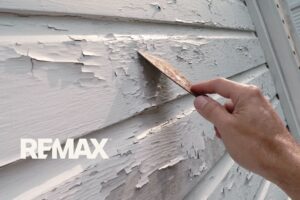
- Selling a House With Lead Paint in Indiana: What Sellers Should KnowIf your home was built before 1978, lead paint comes with a federal disclosure rule that sits on top of Indiana’s own seller form. Here’s exactly what you have to tell buyers, what you don’t have to do, how peeling paint can stall an FHA or VA loan, and the three honest paths for selling an older home.
- How to Save for Your First Home in Hendricks County, INAfter a conversation with Davonne, a Taylor Morrison sales rep, René breaks down how young renters in their 20s and 30s can turn everyday spending on delivery and coffee into a down payment. It’s not an income problem, it’s a habits problem, and habits can change.
- Cash Offer vs Financed Offer in Indiana: Which Should You Accept?Every seller wants to hear the word “cash,” but the highest, safest offer isn’t always the cash one. Here’s how to weigh a cash offer against a financed offer in Indiana, what individual and investor cash really costs you in price, how to spot a strong financed buyer, and the five factors that decide which offer actually wins.
- Appraisal Gap Coverage in Indiana: Should You Cover It?Appraisal gap coverage is your written promise to pay part or all of the difference in cash if a home appraises below your offer. It’s a strong tool in a bidding war, but a real cash commitment. Here’s how it works in Indiana, whether the 2026 market calls for it, and how to cap it so a small gap never becomes a trap.
- Do You Know Your Home’s Square Footage Before Selling in Indiana?Knowing your home’s square footage before selling protects both your price and your sale, and the number on your tax record or old listing is often wrong. Here’s where the figure comes from, how a bad one costs you, and how to confirm it before you list.
- Selling a House With Mold in Indiana?Found a spot in the basement or a musty smell? Mold rarely sinks a sale in Hendricks County, but it can complicate one in ways most sellers don’t see coming. Here’s what Indiana law makes you disclose, where mold turns into a financing problem, and the three options you actually have.
- Selling a House With an Old Furnace or AC in Indiana?That furnace from the early 2000s probably won’t sink your sale, but it can complicate it in ways most sellers don’t see coming. Here’s what Indiana law makes you disclose, where an aging system turns into a financing problem, and the three options you actually have.
- Selling a House With a Bad Roof in IndianaA worn or leaking roof doesn’t have to sink your sale. In Indiana you’ll disclose what you know, then choose one of three paths: replace it before listing, offer the buyer a credit, or sell as-is to a cash buyer. The catch most sellers miss is that the roof can trip up both the appraisal and the buyer’s insurance. Here’s how to pick the option that nets you the most.
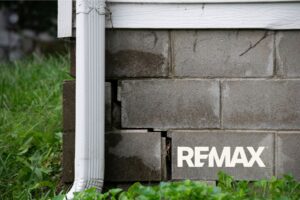
- Selling a House With Foundation Problems in IndianaYes, you can sell a house with foundation problems in Indiana. Here’s what you have to disclose, what repairs cost, and your three real options for selling.
- How Accurate Is the Zillow Zestimate for Your Indiana Home?You checked your Zestimate and started doing the math, but that number is shakier than it looks. For a home that isn’t listed yet, the Zillow Zestimate is off by about 7 percent on average, which can be $25,000 or more on a Hendricks County home. Here’s how much to trust it, why it misses, and what actually sets your price.
- Can You Buy and Sell a House at the Same Time in Indiana?You don’t have to choose between selling and having nowhere to go, or buying and carrying two house payments. In Indiana, you can do both at once, and most local movers do. Here’s how to line up both closings, pick between a bridge loan, a HELOC, or a contingent offer, and move just once.
- Avon Trails Avon Indiana Market Report (2026)Avon Trails homes in Avon, Indiana sold at a median of $272,000 across 112 closed sales since 2021. See price trends, HOA rules, and what’s selling.

















Browse Topics
- 55+ Transitioning
- Buying a Home
- Buying Strategy
- Community & Neighborhood Comparisons
- Downsizing
- Downsizing in Hendricks County
- Downsizing: Emotional & Letting Go
- Downsizing: Planning & Timelines
- Downsizing: Senior Transitions & Aging Needs
- Estate & Inherited Property
- Financial & Market Factors
- First-Time Home Decisions
- Hendricks County
- Home Improvements Before Selling
- Inspection Process — Buyers & Sellers
- Life Transitions & Non-Traditional Sales
- Lifestyle Transitions: Upsizing & Family Growth
- Neighborhood Market Reports
- New Construction & Builder Decisions
- Real Estate Tips
- Relocation
- Selling a Home
- Selling Strategy
Search the Website
Recent Posts
- New Construction or Resale Home in Hendricks County?
- Should You Sell Your Home With a Low Mortgage Rate in Indiana?
- Selling a House With Tenants in Indiana: What to Know
- Buying a House Sight Unseen in Indiana: What to Know
- Selling a House With an Easement in Indiana: What to Know
- Selling a House With a Pool in Indiana: What to Know
- How Much Down Payment Do You Need to Buy a Home in Indiana?
- Selling a Vacant House in Indiana: What Sellers Should Know
- Selling a House With Lead Paint in Indiana: What Sellers Should Know
- How to Save for Your First Home in Hendricks County, IN
About René

I’m René, a full-service REALTOR® based on the west side of Indianapolis. I help buyers, sellers, and downsizers across Hendricks County navigate the market with clear communication, smart strategy, and as little stress as possible.